by Bryan | What Is The Difference?
In the world of patents, there are various types of applications that innovators can file to protect their intellectual property. Two common types are divisional patent applications and continuation-in-part applications. While they may seem similar, there are distinct...
by Bryan | What Is The Difference?
In the world of patent law, rejections under different sections of the United States Code entail distinct considerations. Two commonly applied sections are 35 U.S.C. § 101, which prescribes the criteria for patent eligibility, and 35 U.S.C. § 103, which addresses the...

by Bryan | What Is The Difference?
In the legal field, reexaminations play a crucial role in ensuring the accuracy and validity of various proceedings. Understanding the differences between different types of reexaminations, such as type 1 and type 2, is essential to navigating the complex legal...
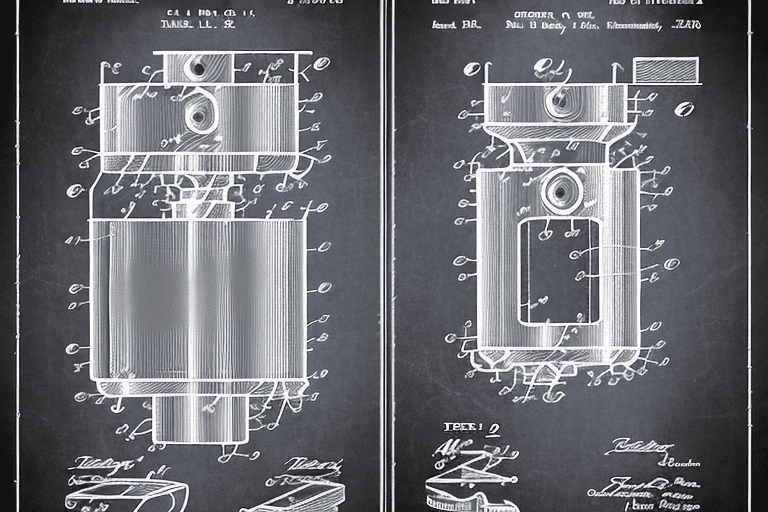
by Bryan | What Is The Difference?
In the world of intellectual property, design patents play a crucial role in protecting the unique visual appearance of a product. Central to the success of a design patent application are the drawings that accompany it. These drawings provide a visual representation...
by Bryan | What Is The Difference?
A licensing agreement is a legal contract that grants one party, known as the licensee, the right to use another party’s intellectual property in exchange for payment or other considerations. Within a licensing agreement, there are various clauses that outline...