by Bryan | What Is The Difference?
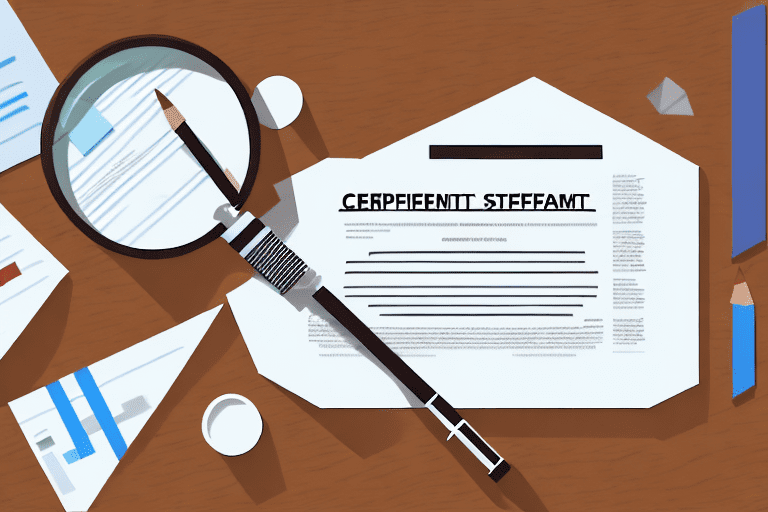
In the realm of intellectual property rights, there are various mechanisms available to rectify any errors or omissions in patent applications. Two commonly used tools in this regard are the “Certificate of Correction” and the “Supplemental...
by Bryan | What Is The Difference?
Understanding the Basics of 35 U.S.C. 102The United States patent law is rooted in the Constitution, which grants Congress the power to promote the progress of science and useful arts. One of the key provisions of patent law is found in 35 U.S.C. 102, which deals with...
by Bryan | What Is The Difference?
In the world of intellectual property, patents play a crucial role in protecting innovation and ensuring that inventors have the exclusive rights to their inventions for a specified period. Patents provide inventors with the legal means to prevent others from making,...
by Bryan | What Is The Difference?
In the world of intellectual property, patents play a vital role in protecting innovations and inventions. If you’re venturing into the realm of patents, you may have come across the terms “non-provisional patent application” and “provisional...
by Bryan | What Is The Difference?
When it comes to intellectual property, specifically inventions and innovations, the designations “patent pending” and “patented” carry significant importance. Understanding the difference between these two terms is essential for inventors,...