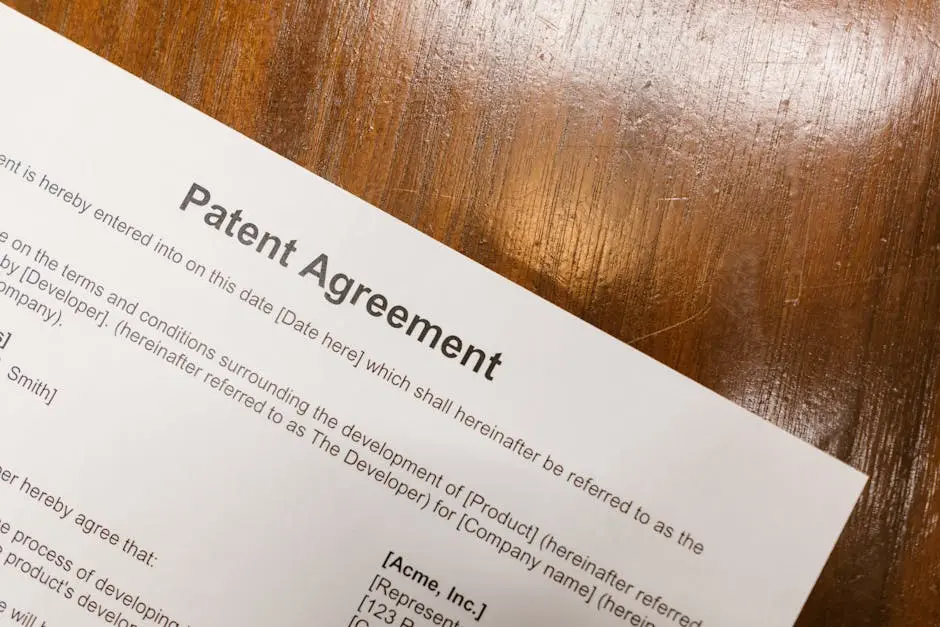
Patent Education Series: Patent Education 101 — How the Patent System Actually Works

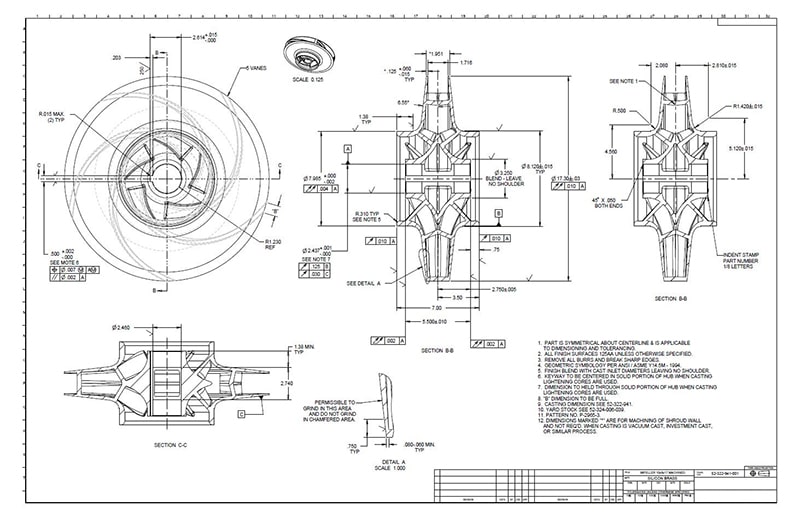
Understanding how the patent system works is a foundational step for inventors, engineers, founders, and anyone interested in innovation. This Patent Education Series is designed to explain the patent system clearly and practically—without assuming legal training or focusing on test preparation. Think of this as your orientation map to a system that quietly shapes technology, business, and research worldwide.
What Is a Patent—Really?
A patent is a government-granted right that allows an inventor to exclude others from making, using, selling, or importing an invention for a limited time. It does not grant the right to make or sell something outright; instead, it provides leverage—control over who else can.
In the United States, patents are issued by the United States Patent and Trademark Office, commonly known as the USPTO. This agency examines patent applications to determine whether an invention meets the legal requirements for protection.
Why the Patent System Exists
At its core, the patent system is a trade-off:
- Inventors publicly disclose how their invention works
- Society benefits from shared technical knowledge
- Inventors receive time-limited exclusivity in return
This balance is meant to encourage innovation, investment, and the spread of technical information rather than secrecy.
Types of Patents You Should Know
In U.S. patent law, there are three main categories:
- Utility patents – Cover functional inventions, processes, machines, and compositions of matter
- Design patents – Protect the ornamental appearance of an article
- Plant patents – Apply to new and distinct plant varieties
Most discussions around patents—especially in technology and startups—center on utility patents.
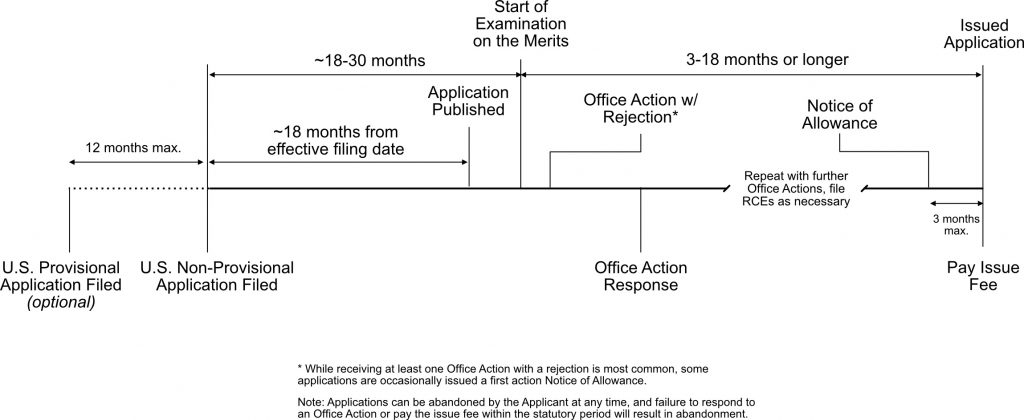
The High-Level Patent Lifecycle
While the details can get complex, the overall flow is surprisingly structured:
- An invention is conceived and documented
- A patent application is prepared and filed
- A patent examiner reviews the application
- The examiner issues feedback (often a rejection at first)
- The applicant responds and refines the claims
- The patent is either granted or finally rejected
This process can take several years and often involves multiple rounds of review.
Why Patent Education Matters
You don’t need to become a patent attorney to benefit from understanding the patent system. Patent literacy helps inventors protect ideas, helps founders communicate with investors, and helps engineers make informed decisions about research, disclosure, and product development.
That’s the purpose of this Patent Education Series: to make the patent system understandable, navigable, and less intimidating—starting with how it actually works.
In the next article, we’ll go deeper into how patent applications are structured, and why the wording inside them matters far more than most people realize.